AUTOMOTIVE WEB DESIGN UK • SP88 CASE STUDY
Automotive web design built from real workshop experience.
LP10’s approach is informed by SP88: a working mobile mechanic and auto-electrician business that needs service pages, online booking and local visibility to generate real jobs.
The business problem behind the website
Automotive customers rarely arrive with the same question. One driver wants urgent fault diagnosis. Another needs a dash cam or parking sensors fitted. Someone buying a used vehicle wants an inspection, while a returning customer may be looking for brakes, servicing or an electrical repair. A useful automotive website must separate those journeys without making the visitor start again every time.
SP88 provides a practical test environment for that challenge. It operates as a mobile mechanic and auto electrician across South London and Surrey, so the website has to explain technical work in plain English, collect useful information before the visit and direct customers into the correct booking or enquiry route. That experience gives LP10 a stronger starting point than a generic agency template.
Service architecture
Main services need dedicated explanations, useful related links and enough detail to qualify an enquiry.
Booking information
Postcode, vehicle details, registration and the reported issue help the business prepare before accepting the job.
Local visibility
Area pages should support real coverage and useful services instead of multiplying thin, interchangeable location text.
What an automotive website needs to do
The first screen should establish the core service, location and next action. Below that, the website needs believable evidence: qualifications, real work, customer feedback that can be substantiated, clear service boundaries and pricing information where the business is ready to show it. Mobile presentation matters because a large share of drivers search when they are beside the vehicle.
Online booking is not simply a calendar dropped into a page. The available services, working hours, required fields, deposits, cancellations and notification messages need to agree with the way the business actually operates. A customer should know what is being booked and the business should receive enough information to respond properly.
Search visibility also depends on structure. A strong service hub can connect diagnostics, electrical repairs, batteries, inspections and installations. Relevant local pages can then support genuine coverage. Guides answer the questions customers ask before booking and create internal routes back to commercial pages. The aim is a useful website system, not hundreds of disconnected URLs.
How LP10 uses the SP88 experience
LP10 takes the operational lessons from SP88 and applies them to each client’s own trade or small business. The five-page launch package creates a focused foundation: five agreed brochure pages, a mobile-friendly build, contact form, basic on-page SEO setup, SSL and 12 months’ hosting for £250 for the first 20 UK customers.
The package is deliberately defined. Ecommerce, complex vehicle lookups, custom booking logic, extra pages, paid advertising and ongoing content are separate pieces of work. That keeps the introductory price honest and prevents a small business from being sold features it does not need on day one.
SP88 remains the automotive service brand. LP10 is the website and wider trade-services brand. You can read SP88’s own explanation of the project in its article, Why SP88 rebuilt its website and booking system, or explore the wider small-business website package.
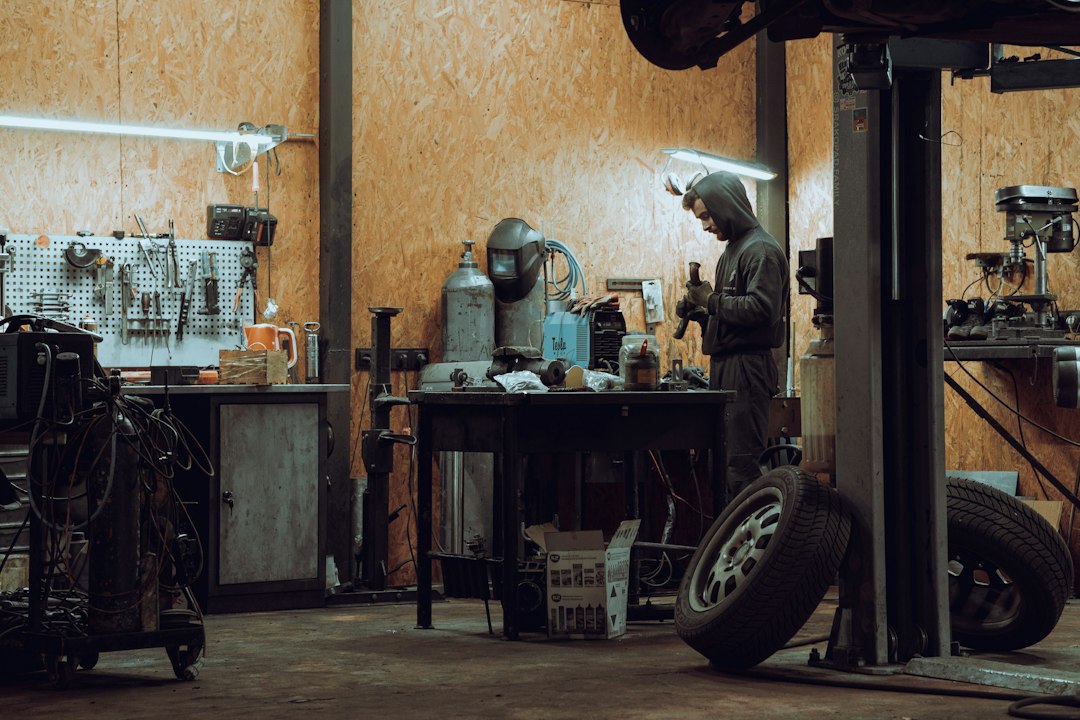
Case-study image: Kato Blackmore / Unsplash.